Guide · 4 min
Fit out finance: how to fund a shop, cafe or office fit-out
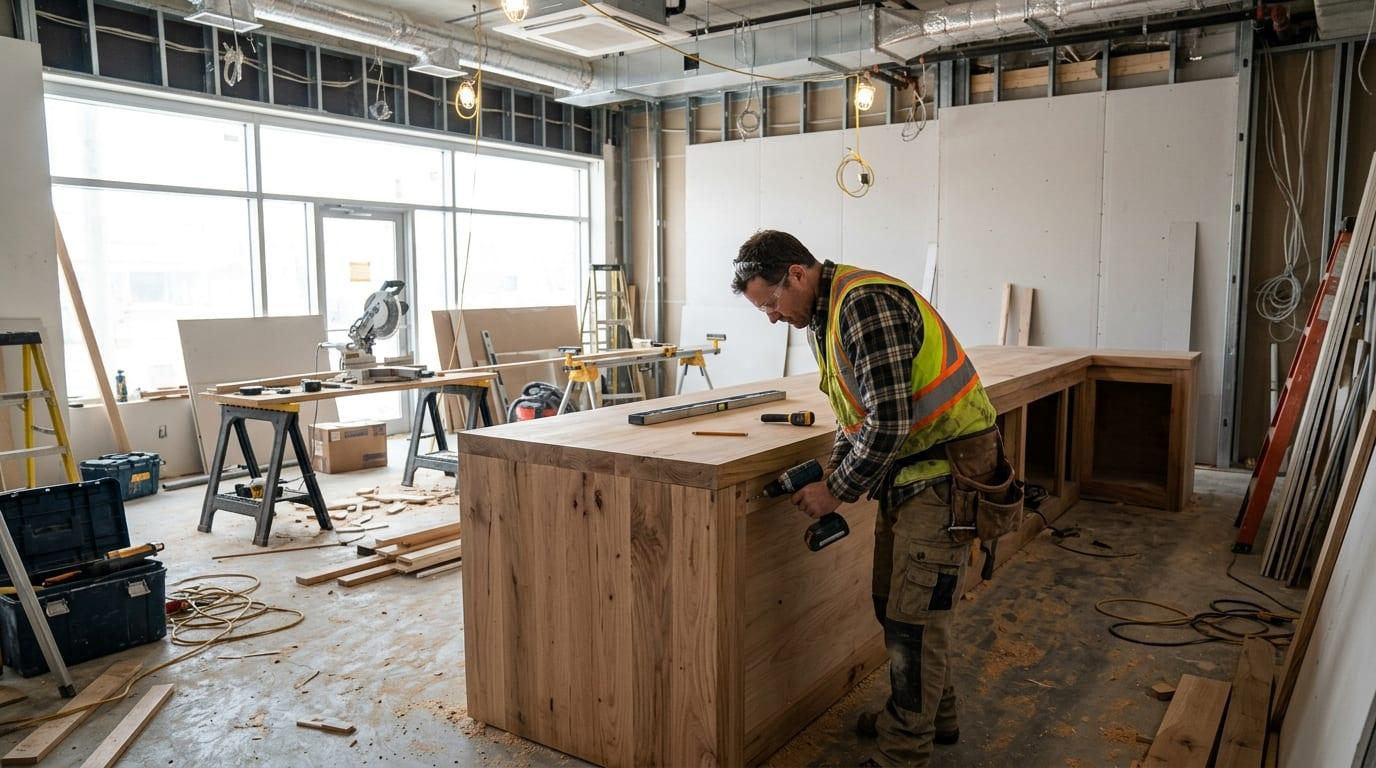
A new fit-out can lift sales for years, but the bills arrive months before the first customer walks in. Here is how to budget for the real cost and choose funding that matches it.
Fit out finance covers the cost of turning a bare tenancy into a working shop, cafe, clinic or office: joinery, shelving, kitchen equipment, lighting, signage and the trades to install it all. Getting the funding right matters as much as getting the design right, because a fit-out that runs over budget can starve the business of cash in its first months.
What a fit-out really costs
The quote from your builder or shopfitter is only part of the bill. Budget for:
- Design, drafting and council or building approvals
- Construction, joinery and trades
- Fixtures and equipment, from coffee machines and coolrooms to display units and point-of-sale hardware
- Opening stock, marketing and staff training before you trade
- Rent during the build, unless you have negotiated a rent-free period
- A contingency of 10 to 15 percent for the things nobody planned
Ask every quote to say what is excluded as well as what is included. Electrical upgrades, plumbing, fire services and make-good of the previous tenant's work are common surprises.

Ways to fund a fit-out
Landlord contribution
Some leases include a landlord contribution to the fit-out or a rent-free period. It is worth asking before you sign, and worth getting advice on the lease terms that come with it.
Equipment finance
For specific, identifiable equipment such as an oven or a refrigerated display, equipment finance or leasing spreads the cost over the asset's working life, with the equipment itself as security.
Short-term working capital
Some costs cannot be financed as equipment: trades, joinery, opening stock and the gap before revenue builds. Short-term working capital can cover those, provided the business has the trading history and cash flow to repay it within the term.
Match the term to the asset: long-lived equipment over years, short-term gaps over months.
A worked example
Say a cafe owner with two years of trading is opening a second site. The shopfitter quotes $140,000. Add $25,000 of equipment, $12,000 of opening stock and marketing, and a 10 percent contingency on the build, and the real budget is $191,000.
The owner puts the coffee machine and coolroom on equipment finance over five years, covers $60,000 from savings, and uses a 12-month working capital loan of about $106,000 for the joinery, trades and opening costs. Splitting the funding this way keeps the short-term repayments matched to costs the new site should recover quickly.
Fit out finance for an existing business
Lenders look at fit-outs differently depending on who is asking. An established business refurbishing its premises or opening a second site has trading history to assess. A brand new business has a plan but no track record.
GreyRok lends $5,000 to $500,000 to businesses with at least six months of trading history and regular turnover from around $10,000 a month. That makes us a fit for refurbishments, second sites and expansions by trading businesses, rather than start-up fit-outs.
Before you commit
- Get two or three quotes, with inclusions and exclusions in writing
- Read the make-good clause: returning the premises at the end of the lease can be a significant cost
- Forecast cash flow for the first six months after opening, not just for the build
- Ask any lender for the total repayable in dollars and the repayment amount per week
Our complete guide to short-term business finance covers what to compare between lenders.
Refurbishing or opening a second site?
Funding from $5,000 to $500,000 for trading businesses. Checking your eligibility will not affect your credit file.
Check my eligibilityWhat does fit out finance cover?
Typically the costs of preparing premises for trade: design, construction, joinery, equipment and fixtures. Some lenders also fund opening stock and the period before revenue builds.
Can a new business get fit out finance?
Some lenders fund start-ups, often with more security. GreyRok lends to businesses with at least six months of trading history.
Is equipment finance better than a business loan for a fit-out?
For specific equipment with a long working life, equipment finance often suits. For trades, joinery and stock, which cannot be financed as equipment, a short-term loan may fit better.
How much contingency should I allow?
Many businesses allow 10 to 15 percent of the build cost for surprises.
Can I use fit out finance for a refurbishment?
Yes. Lenders treat a refurbishment of existing premises much like a new fit-out, and an established business usually has more trading history to show.
This article is general information only and does not take into account your circumstances. GreyRok provides finance to businesses for business purposes only, subject to credit assessment and eligibility criteria.


See if GreyRok is right for your business.
Answer a few straightforward questions to understand whether your business meets our initial lending criteria.